Christmas parcel delivery scams: How to spot them and stay safe
27 November 2026Christmas parcel delivery scams are on the rise, with fraudsters sending fake delivery texts and emails to trick you into clicking malicious links or sharing personal details. Learn how to spot the warning signs and stay safe this festive season.
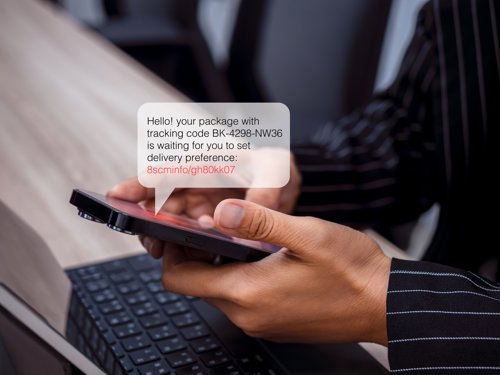
The sophistication and persistence of delivery scams is continually advancing, with losses related to courier fraud reported to hit more than £21m in the over 70s category alone in 2025. As we get closer to Christmas, it's safe to say that most of us are expecting a parcel or two, with tempting Black Friday offers enhancing the already busy online ordering season. An integral part of online purchasing is delivery notifications; an area where scammers are becomingly increasingly adept at committing fraud.
Delivery scam texts and emails, missed parcel notifications and fraudulent tracking links are designed to catch people at exactly the right moment; when you're already waiting for a delivery, a message saying “we tried to deliver your parcel” is more than reasonable to believe.
With researchers warning of a surge in fake shipment tracking scams, how can you tell the difference between a genuine delivery update and a fraudulent communication?
How do delivery scammers know you're expecting a parcel?
A few hours after placing an order, a text arrives saying there's a problem with your delivery. Suspicious timing? Not necessarily.
In many cases, scammers don't actually know that you're expecting a parcel. They send hundreds, if not thousands of delivery messages knowing that, particularly around Christmas, it's highly likely that a large percentage of those people will have a parcel on the way. This is precisely why Christmas presents an ideal opportunity for scammers.
Parcel delivery scams do vary in credibility, but when personal information is obtained through data breaches, fake websites or digital phishing attempts, a lot of the communications people receive are convincing.
Whenever you receive a delivery communication, especially when it's asking you to take an action, it's worth having a second look before clicking on any links. Below, we've highlighted some of the most common scams to keep an eye out for.
Common delivery scams to look out for
Delivery scams can arrive across a variety of communication mediums: by text, email or even phone call. They often impersonate popular, recognised couriers or retailers and ask you to click a link, make a payment or provide personal information. Here is some of the most common messaging you could come across in a parcel delivery service scam:
We missed your delivery
A text or email claims that a courier couldn't deliver your parcel and asks you to follow a link to rearrange it. If you're genuinely expecting a parcel, it's entirely reasonable to believe the communication.
Our tip - instead of following the link, open a new browser tab and go directly to the courier or retailer's website. Check the tracking information you received when you ordered the item here. This will not only give you the correct tracking details for your parcel, but it also stops the scammers getting access to any personal details.
Unexpected delivery fees
Some parcel scams claim a small payment is needed before a delivery can be completed, perhaps for additional postage, redelivery or another unexpected charge. If this is the case, the courier will be able to tell you this directly, so our advice is always to give their customer services team a call to check.
The scammers are relying on the fact that their request for a small amount seems harmless, but in reality, the aim is to obtain your card or personal details.
Fake tracking links
Delivery scams where a message contains a link can be the most convincing of them all. They may invite you to simply 'track your parcel', and the website it opens can look remarkably similar to a genuine courier website. However, before you take any further action on the website, ensure you check the web address carefully – they will not be able to replicate the legitimate website exactly, as this is taken by the genuine courier. To be completely safe, avoid using email or text tracking links and go directly to the courier's website first.
“Act now or your parcel will be returned”
Scammers often prey on people's worries and may encourage you to make a decision quickly. Messages claiming that a parcel is about to be cancelled, returned or destroyed are designed to create urgency and stop you taking the time to check whether the message is genuine. Taking just a few minutes to determine whether the communication seems genuine or not could make all the difference.
Four ways to protect yourself from delivery scams this Christmas
When you're waiting for multiple parcels, keeping track of every notification isn't always easy. However, if you're worried about how to spot a scam email or text, a few simple habits can make spotting fake delivery messages much easier.
1. Take a pause before clicking a link
If a delivery text or email arrives unexpectedly, don't automatically follow the link, even if the message appears to come from a courier you recognise. Instead, visit the website directly and track your parcel from there.
2. Question unexpected charges
If you're being asked for an additional delivery or redelivery fee, check the request directly with the retailer or courier before entering any payment information. Successful scammers with use this data to withdraw money from your account without your permission.
3. Don't be rushed, even if the message promotes urgency
Messages threatening to cancel or return your parcel within a short timeframe should be treated very cautiously. Consider whether it's likely that the courier or retailer would need to send such a communicaiton in the first instance and take a moment to verify what's happening through official channels.
4. Report suspicious messages
In the UK, suspicious text messages can be forwarded to 7726 free of charge. Suspicious emails can also be forwarded to report@phishing.gov.uk.
Expecting a CitySprint delivery?
If you receive a message about a CitySprint delivery and something doesn't look right, avoid clicking links and do not provide payment details without checking with us directly first.
Use CitySprint's official channels such as our tracking service to check your delivery or contact a service centre directly if you're unsure about a message you've received.
Taking an extra minute to check can be much easier than dealing with the consequences of a convincing scam.
Keeping deliveries moving this Christmas
Christmas is one of the busiest times of the year for deliveries, ranging from important business consignments to presents making their way across the country.
CitySprint's nationwide courier network operates 24 hours a day, 365 days a year, helping businesses get time-sensitive deliveries where they need to be throughout Christmas and beyond.
And while scammers will be hoping to deliver unwelcome surprises, remember: if a delivery message doesn't look right, stop and check before you click.